AI for good… but for whose good?

A critical and constructive reading of the UNFCCC paper on artificial intelligence and climate action, one year later

A critical and constructive reading of the UNFCCC paper on artificial intelligence and climate action, one year later

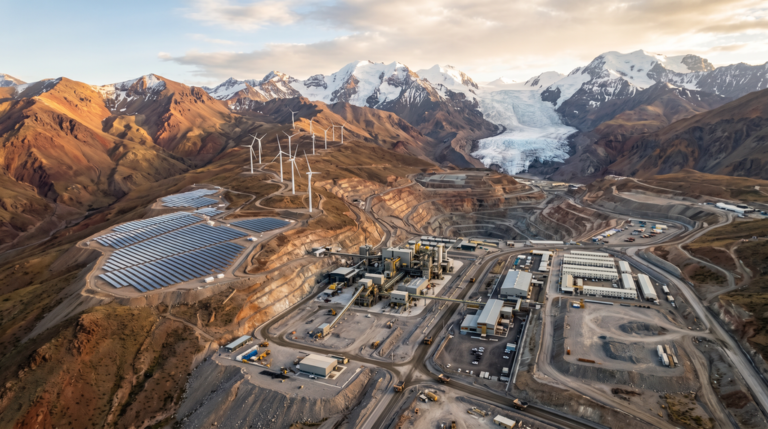
By Silvina Dalton, for DelPlata Green. What is regenerative mining? Regenerative mining is an emerging concept that goes beyond sustainable or responsible mining. While sustainable mining seeks to reduce environmental and social damage,…

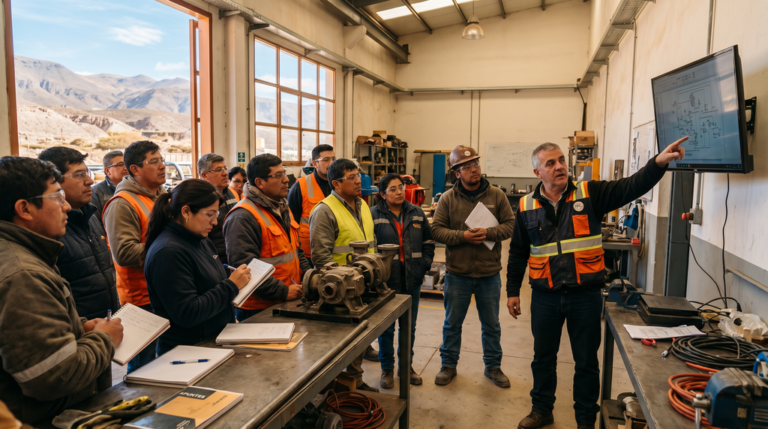
During Engineering Week, dedicated to Argentine mining, we attended various panels that provided firsthand analysis of the sector's growth, driven, among other factors, by the implementation of the Incentive Regime for Large Mining Companies…

This week we participated in the talk “Environmental Fines: Keys to Understanding Their Calculation and Preparing a Better Defense,” led by Katherine Andrea Melgar Támara and Gabriela López. The meeting addressed the new methodology for calculating fines used by the Agency…

This week we read “People and Planet First: How Social Enterprises Work”, the new ebook from EHKOS, written by María Virginia Romero and Jessica Oyarbide in collaboration with global industry networks such as the Social Enterprise World Forum, People and Planet First…

Lithium and copper are fundamental components of the global energy transition. Without these minerals, it would not be possible to expand battery production, electrify transportation, or advance numerous decarbonization processes. However, having abundant resources…

How to demonstrate social impact with data. When we talk about ESG, the three letters don't receive equal attention. The E—environmental—takes center stage: there are mature metrics, established standards, and a common language to discuss…

Why environmental and social issues go hand in hand: “Regenerative” is the buzzword of the moment. It appears in corporate reports, investment pitches, brand campaigns, and headlines about the future of agriculture, mining, and…

This week we read the Voluntary Biodiversity Credit Markets Report 2026, prepared by the Pollination Foundation and Bloom Labs. This report is also circulating within the Natural Capital and Nature Finance Observatory community…

The most dangerous ESG report is the one that was never done. Not because there's a lack of information, but because without data there's no strategy. And without a strategy, environmental, social, and governance risks can silently grow until the market…